My Identity Wasn’t in Likes

I was addicted to validation—likes, shares, emojis. Each notification felt like a breath of fresh air, a whisper that I mattered. I curated my life for the feed: perfect angles, filtered smiles, captions crafted to impress. But behind the screen, I was crumbling. My joy was borrowed, my confidence rented from strangers who double-tapped my existence.

I chased approval like a mirage, always thirsty, never satisfied. If a post didn’t perform, I questioned my worth. Was I boring? Unlovable? Invisible? The silence was deafening. I became a prisoner to algorithms, shackled by comparison and envy. I lost sleep refreshing my feed, hoping someone—anyone—would validate me.

Then one night, in the quiet of my room, I broke. Tears streamed down my face as I stared at my reflection—not the one on my profile, but the real me. I whispered, “Who am I without the likes?” And in that moment, a gentle voice stirred within me. Not from my phone, but from my soul.

“You are mine,” it said.

I opened my Bible, desperate for truth. And there it was: I am fearfully and wonderfully made. Not by followers, but by the Creator. Before I formed you in the womb, I knew you. My heart trembled. I wasn’t forgotten. I wasn’t overlooked. I was chosen.

I began to detox from digital approval. I posted less, prayed more. I stopped measuring my worth by metrics and started anchoring it in grace. The more I leaned into God’s love, the more I saw myself clearly—not as a brand, but as a beloved child.

Freedom didn’t come overnight. But each day, I reclaimed pieces of myself. I laughed without needing to record it. I cried without needing to explain it. I lived without needing to prove it.

Now, when I look at my reflection, I see someone redeemed. Not perfect, but perfectly loved. My identity isn’t in likes—it’s in Christ. And that truth sets me free every single day.

Thank you, Lord, for reminding me that I am enough. Not because of what I post, but because of who You say I am.

Freedom From Addiction

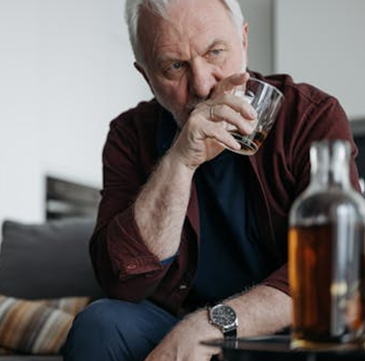
Alcohol numbed the pain, but never took it away. I drank alone, too fearful to share my pain. Then with my marriage on the rocks and my kids living in fear, a random guy tells me he knows my story, because it was his story. And Jesus is the only answer.

I didn’t believe him at first. I’d heard the Jesus talk before—sermons, pamphlets, people with good intentions but no clue what it felt like to wake up ashamed every morning. But this guy wasn’t preaching. He was broken, like me. His eyes didn’t shine with judgment, but with something I hadn’t seen in a long time: hope.

He invited me to a small group at his church. I said no. Then I said maybe. Then, one Thursday night, I walked in, half-drunk and fully skeptical. They didn’t flinch. They welcomed me like I mattered. Like I wasn’t just the guy who ruined birthdays and forgot anniversaries.

Week after week, I kept showing up. I didn’t know why. Maybe it was the coffee. Maybe it was the way they listened. Maybe it was the way they talked about Jesus—not as a distant deity, but as someone who sat with them in their darkest nights.

One night, I broke. I told them everything. The fights. The lies. The bottle hidden in the garage. The way my daughter cried when I raised my voice. I expected silence. Instead, they prayed. Not for me to be better, but for me to be healed.

That night, I went home and poured every bottle down the sink. I dropped to my knees and whispered, “Jesus, if you’re real, I need you. I can’t do this alone.”

I didn’t wake up perfect. I woke up sober. And that was enough.

It’s been three years. My wife didn’t trust me at first, and she had every reason not to. But she saw the change. Not just in my habits, but in my heart. My kids laugh again. My house feels like a home.

I still go to that group. Now I sit beside guys who walk in half-drunk and fully skeptical. I tell them my story. I tell them about the night I met Jesus—not in a church pew, but in a circle of broken men who believed healing was possible.

Because it is.

Freedom didn’t come from willpower. It came from surrender. And in surrender, I found grace. I found peace. I found freedom. I found Jesus and now I have everything!

From Abandoned to Adopted

I grew up in foster care, always wondering why my parents didn’t want me. But when I found Christ, I realized I’ve always been wanted. Always Chosen, by God.

It didn’t happen overnight. I wrestled with rejection for years—carrying the weight of unanswered questions and the ache of birthdays spent alone. I learned to build walls, to smile through the pain, to pretend I didn’t care. But deep down, I longed for someone to say, “You belong.”

Then one Sunday, a friend invited me to church. I didn’t expect much. But as the worship began, something stirred in me. The lyrics spoke of a Father who never leaves, a Savior who calls us by name. I felt seen. Not by the crowd, but by the One who made me.

That day, I heard the story of the prodigal son. And for the first time, I didn’t see myself as the abandoned child—I saw myself as the one being welcomed home. Tears streamed down my face as I realized: God hadn’t forgotten me. He had been waiting for me all along.

I gave my life to Christ that morning. And in doing so, I stepped into a family that would never let me go. Scripture became my anchor. Ephesians 1:5 says, “He predestined us for adoption to sonship through Jesus Christ.” That word—adoption—hit me like a wave. I wasn’t just tolerated. I was chosen.

Since then, healing has come in layers. I’ve forgiven my birth parents, even though I may never understand their reasons. I’ve learned that my worth isn’t defined by who left, but by Who stayed. God didn’t just rescue me—He redefined me. I’m no longer abandoned. I’m beloved.

Today, I mentor teens in foster care. I tell them what I wish someone had told me: “You are not a mistake. You are not forgotten. You are deeply loved.” I share my story not to relive the pain, but to point others to the hope I’ve found.

From abandoned to adopted—that’s my testimony. Not just into a family, but into grace. Into purpose. Into the arms of a Father who never lets go. And that, to me, is the most beautiful kind of homecoming.

The Day Depression Broke

I couldn’t get out of bed. For weeks. Then while scrolling radio stations, a Christian song played and it spoke to my heart. All this time, I thought I was alone, yet this song playing was telling me my heavenly Father was always with me, I wept. It was a turning point for me.

 The tears didn’t stop for a while. They weren’t just tears of sadness—they were tears of release. Of recognition. Of hope. That song, with its simple melody and profound truth, cracked open something inside me that had been sealed shut for years. It was as if light had found a way into the darkest corners of my soul.

I sat up in bed, still wrapped in the blanket that had become my cocoon. My chest felt lighter, my breath deeper. I didn’t feel “better,” not yet. But I felt something I hadn’t felt in a long time: possibility.

I reached for my phone and looked up the lyrics to the song. It was called “You Are Not Alone.” The words echoed the ache I’d carried and the comfort I didn’t know I needed. I played it again. And again. Each time, it felt like someone was sitting beside me, whispering, “You’re seen. You’re loved. You’re not forgotten.”

That afternoon, I opened the curtains. The sunlight poured in, warm and golden, illuminating the dust particles dancing in the air. I hadn’t seen the sun in days. Maybe weeks. I stood there for a moment, letting it touch my face, and I whispered, “Thank You.”

It wasn’t a dramatic transformation. Depression didn’t vanish in an instant. But something shifted. That day marked the beginning of a climb. A slow, steady ascent out of the pit I’d been trapped in.

I started small. I made my bed. I brushed my teeth. I drank a glass of water. Each task felt monumental, but I celebrated them like victories. I wrote down the date in a journal: The Day Depression Broke. I didn’t know what lay ahead, but I knew I couldn’t go back.

The next morning, I searched for a local church. I hadn’t been in years. The idea of walking into a room full of strangers terrified me, but something inside urged me forward. That Sunday, I sat in the back row, heart pounding, eyes scanning the room. The worship began, and wouldn’t you know it—they played the same song.

I cried again. But this time, I wasn’t alone. A woman beside me gently placed her hand on mine. She didn’t say a word, but her presence spoke volumes. After the service, she introduced herself—her name was Grace. Fitting, I thought.

Grace invited me to join a small group that met on Wednesdays. I hesitated, but I said yes. That group became my lifeline. We shared stories, prayed together, laughed, cried. I learned that healing often happens in community, not isolation.

I also began therapy. I found a Christian counselor who understood both the spiritual and psychological dimensions of my struggle. She helped me unpack the layers of pain, the lies I’d believed, the wounds I’d buried. It was hard work. Some days I wanted to quit. But I kept going.

I started walking in the mornings. Just ten minutes at first. Then twenty. I’d listen to worship music, breathe in the fresh air, and talk to God like He was walking beside me. Sometimes I’d rant. Sometimes I’d cry. Sometimes I’d just walk in silence. But I always felt heard.

Months passed. Seasons changed. And so did I.

I began volunteering at church, helping with the youth group. I shared my story one evening, nervous and trembling. But the response was overwhelming. Teens came up to me afterward, saying they felt seen. That they’d been struggling too. That my story gave them hope.

That’s when I realized: my pain had a purpose.

Depression didn’t define me. It was a chapter, not the whole book. And the day it broke wasn’t the end—it was the beginning.

Now, when I hear that song, I smile. It reminds me of the moment heaven reached into my despair and whispered life. It reminds me that even in the darkest valley, light can break through. That healing is possible. That God is near.

And every time I share my story, I pray that someone else will have their own day—when depression breaks, and hope begins.

Subscribe To Our Newsletter

Subscribe to be the first one to know about updates, new
features and much more! Enter your email

God is Better, All Rights Reserved 2025